

On January 22, 2026, the Academy of Motion Picture Arts and Science unveiled its nominations for the 98th Oscars, and of course, they do what they always do best: ignite chaos, celebration, and controversy all at once. As the dust settles, the 2026 Oscars have already cemented themselves as one of the most debated awards seasons in recent memory. Between record-breaking nominations, glaring omissions, and passionate fan reactions, this year’s feels less like a consensus and more like a cultural battleground over what; and who; deserves recognition.
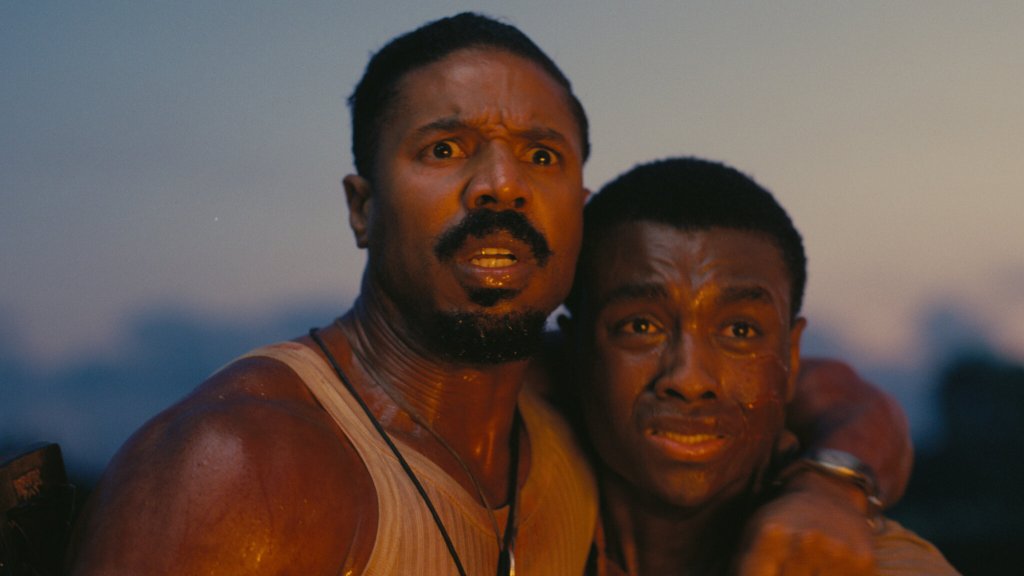
The biggest headline of the morning belonged to Sinners. Ryan Coogler’s ambitious epid didn’t just lead the nominations; it rewrote Oscar history. With sixteent nominations, Sinners became the most-nominated film the Academy has ever seen, supassing legendary titles like Titanic, All About Eve, and La La Land. The film showed up everyhwere: Best Picture, Director, Actor, Supporting Actor, Screenplay, and sweeping number of technical cateogories. Its dominance felt intentional, as if the Academy collectively decided this was the film to rally behind this year.
That overwhelming support also sparked skepticism. While many praised Sinners as a bold, genre-bending, necessary piece of cinema, others questioned whether the Academy was overcorrecting; consolidating its praise around one prestige film while leaving other deserving projects behind. The Oscars have a long history of doing this, but the sheer scale of Sinners’ success made the imbalance harder to ignore.
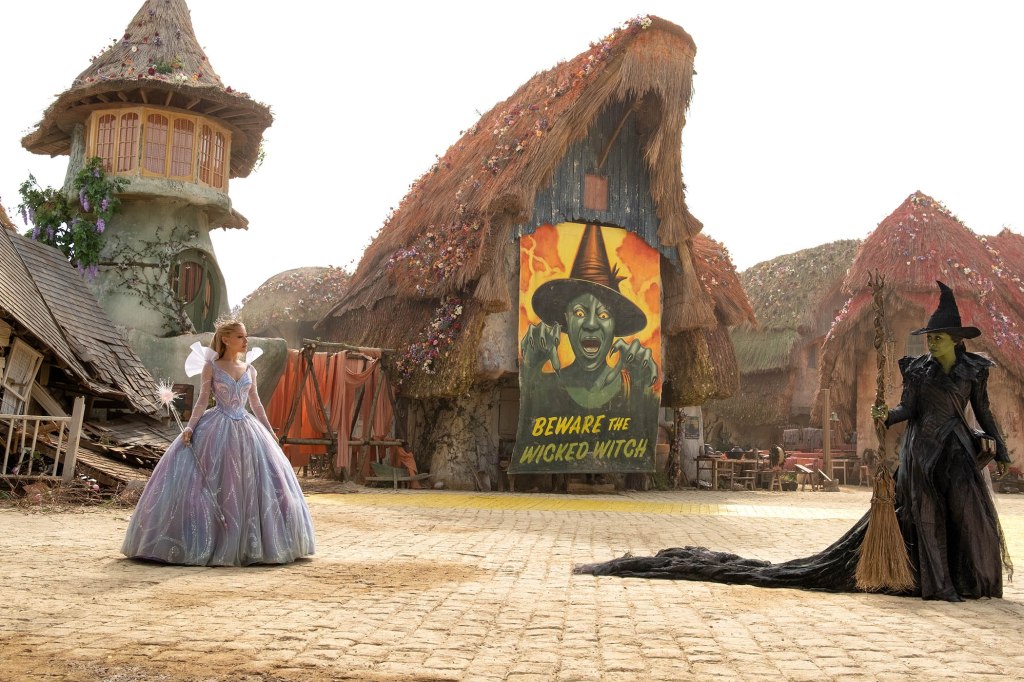
Nowhere was that imbalance felt more sharply than in the complete shutout of Wicked: For Good. The highly anticipated sequel, buoyed by massive box office success and cultural buzz, walked away with zero nominations. Not one. No acting nods, no original music recognition, no technical acknowledgement; nothing. For a musical of its scale and popularity, the snub landed like a shockwave. Ariana Grande, widely discussed as a potential and leading contender from Best Supporting Actress, was absent. Cynthia Erivo, whose performance anchored the film, was also left out. Even categories like costume design and makeup, where the Wicked franchise traditionally thrived, offered no consolation
The reaction online was immediate and polarized. Some saw the shutout as proof the Academy continues to resist mainstream, fan-driven cinema, especially when it leans theatrical or musical. Other argued that the sequel simply failed to capture the same artistic urgency as it predecessor. Regardless of where one stands, the silence from the Academy was loud; and it became one of the defining talking points of nomination day.
Beyond Wicked, the nominations revealed a familiar pattern of suprising exclusions. Paul Mescal, long considered a near lock for Best Actor, was notably missing. Dwayne Johnson’s critically praised turn in The Smashing Machine also failed to translate into a nomination, reigniting conversations about how certain performers are still taken less seriously by awards bodies, regardless of the work they deliver. These omissions joined a growing list of performances that critics and fans alike felt were pushed aside without explanation.
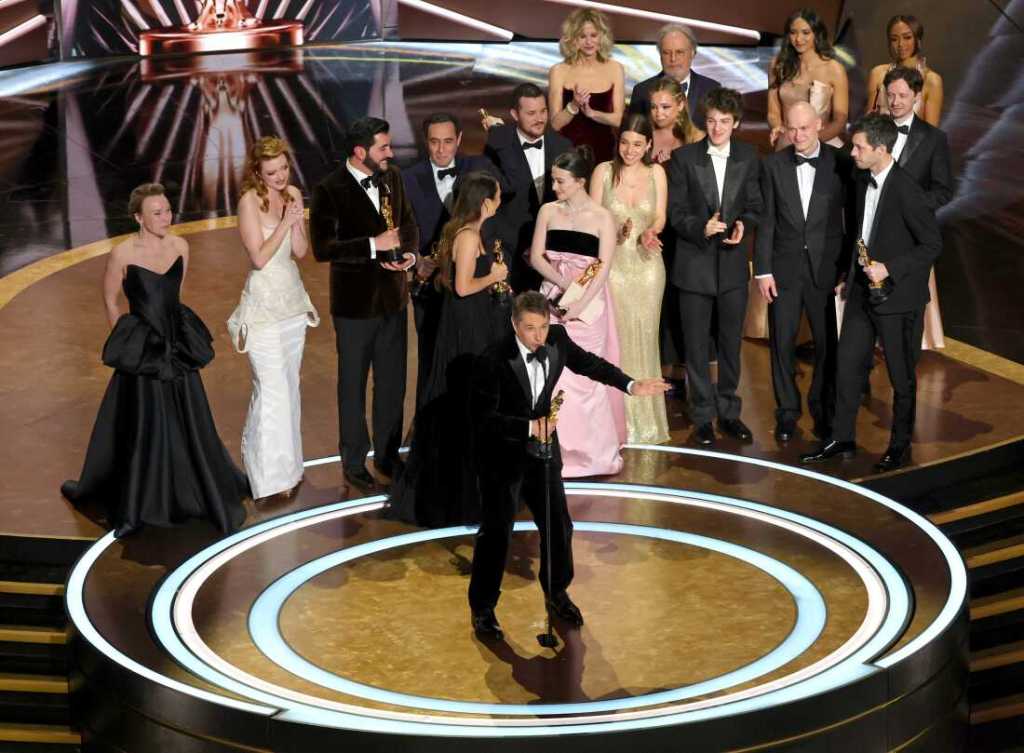
At the same, the nominations weren’t without moments of overdue recognition. Delroy Lindo finally recieved his first Oscar nomination, a moment many celebrated as long past due. Kate Hudson’s unexpected appearance in the Best Actress category marked a career milestone that few predicted, but many welcomed. These suprises offered brief reassurance that the Academy can still course correct; even if unevenly.
What made this year’s nominations especially volatile was the reaction beyond Hollywood. Social media became a parallel awards shpw, with fans dissecting every category, evert omission, and every percieved slight. Some argued that Sinners’ dominance all but gurantee its Oscar night success, while others warned that history shows heavily nominated films don’t always sweep.
Meanwhile, the Wicked discourse evolved into something larger: a debate about whether popularity and cultural impact still matter to an institution that claims to represent the best of cinemas.
In many ways, the 2026 Oscar nominations reflect the Academy’s ongoing identity crisis. There is a clear desire to reward ambition, artistry, and technical excellence, but also a persistent reluctance to embrace projects that resonate loudly with mass audiences. The result is a list that feels both historic and frustrating; progressive in moments. conservative in others, and deeply revealing of the values still shaping Hollywood’s most prestigious stage.
As the ceremony approaches, these conversations won’t fade. If anything, they’ll intensify. Because while the Oscars may only hand out statues once a year, the debates they saprk; about recognition, bias, artistry, and cultural relevance; are far more endruing.

 they, them, and then some
Leave a comment